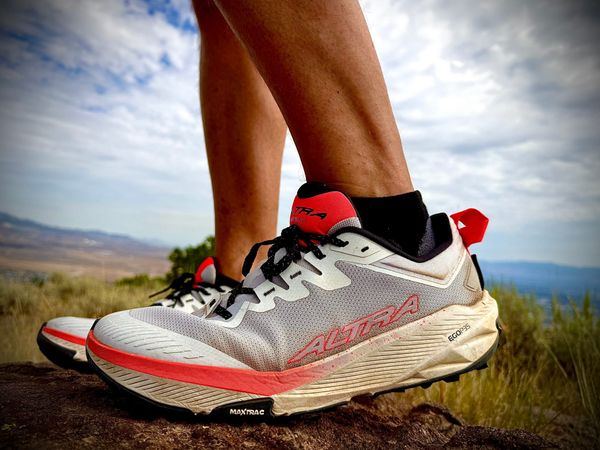
How Many Miles Do Trail Running Shoes Last? A Practical Guide

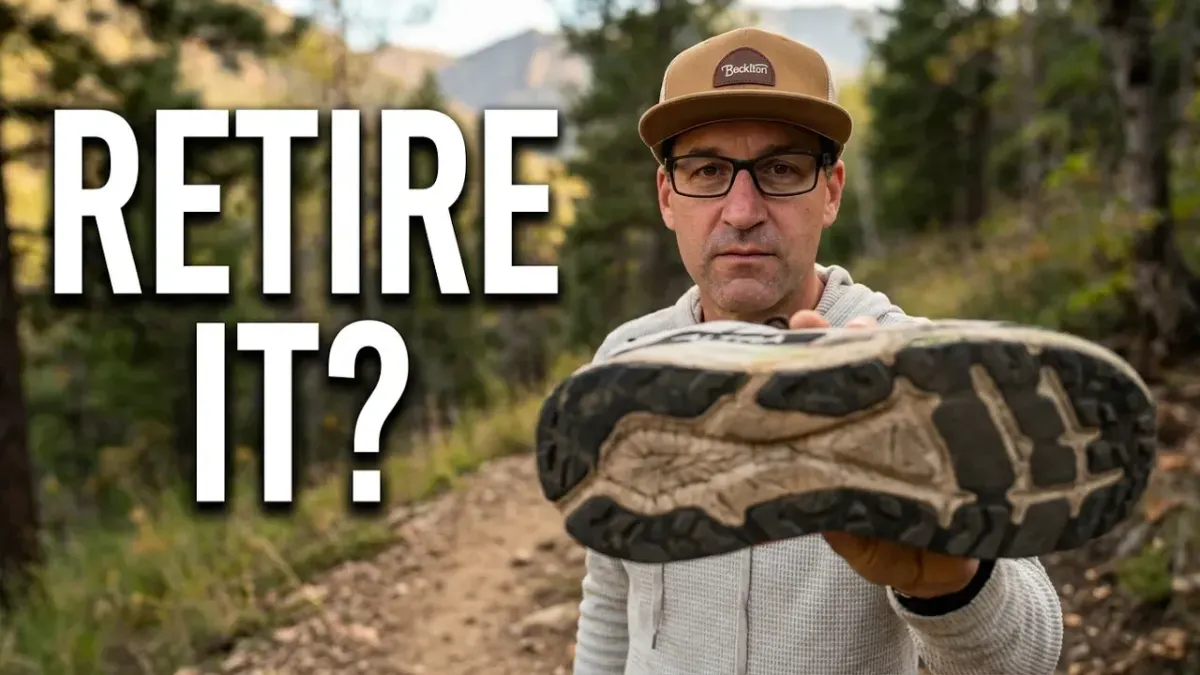
Most trail running shoes last somewhere around 300 to 500 miles, but mileage alone can’t tell you when a pair is worn out. Terrain, shoe construction, your running style, and the condition of the outsole and upper all matter. The best time to replace your shoes is when they stop giving you the comfort, stability, or traction you need.
Is 300 to 500 miles the rule for trail running shoes?
The familiar recommendation to replace running shoes every 300 to 500 miles is a useful starting point—not a hard expiration date.
Research shows that running shoes can change as mileage adds up, but it doesn’t point to one distance when every shoe is finished. In one study, recreational runners used shoes with EVA midsoles for about 311 miles. The shoes showed a small change in cushioning, but less deterioration than some laboratory tests had suggested. Other research found that cushioning changes can vary by midsole material.
A separate study tracked shoes from new to about 398 miles. The shoes changed mechanically, but runners did not always notice those changes. Research on EVA foam also found increased pressure underfoot after about 311 miles, with structural damage appearing around 466 miles.
These studies looked at specific shoes, materials, and runners. They can help explain how shoes change with use, but they don’t establish a universal replacement mileage—especially for the wide range of trail shoes and terrain runners use today.
Sources include Footwear Science, Journal of Sports Sciences, International Journal of Sports Physical Therapy, and Journal of Biomechanics.
Trail and terrain affect shoe life
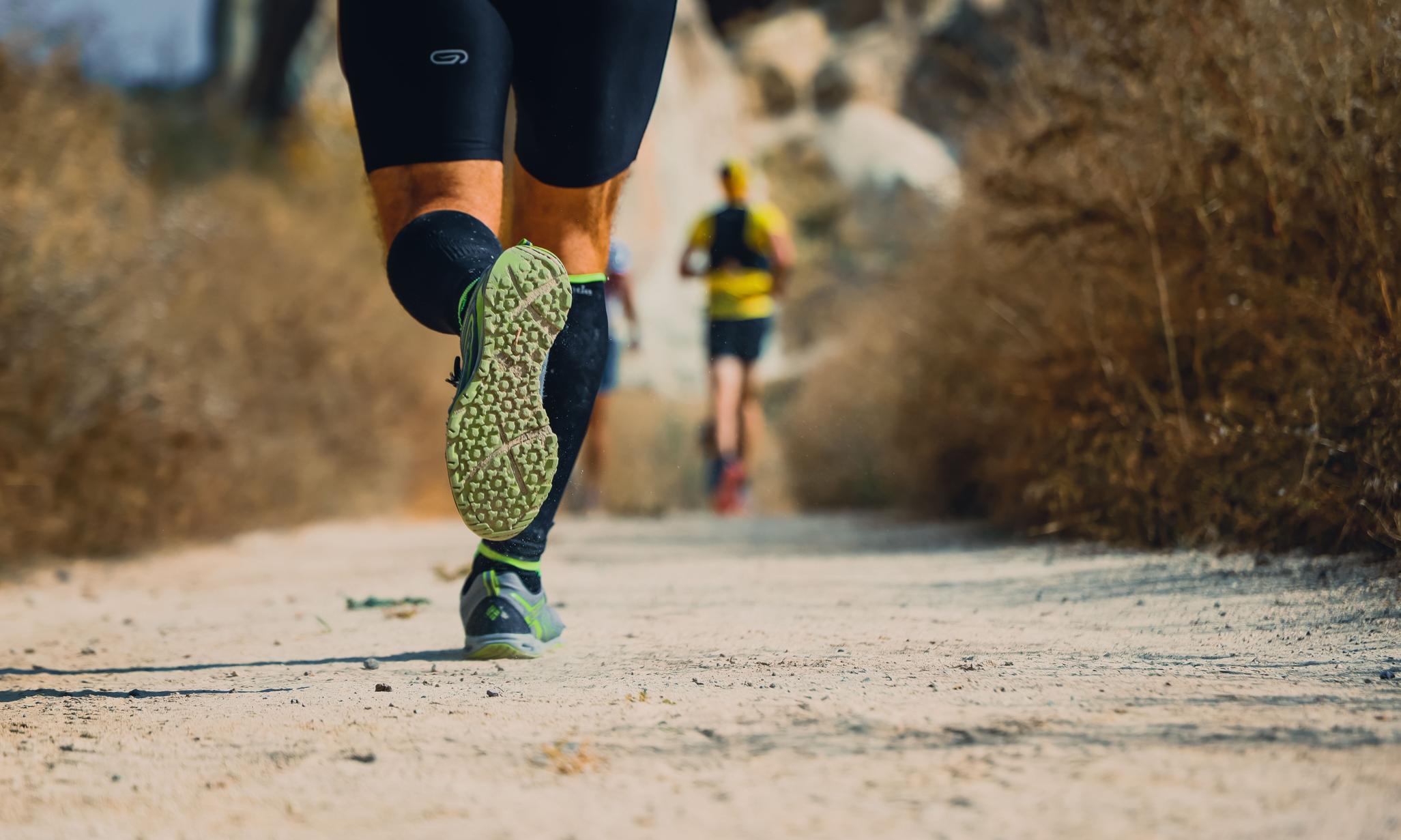
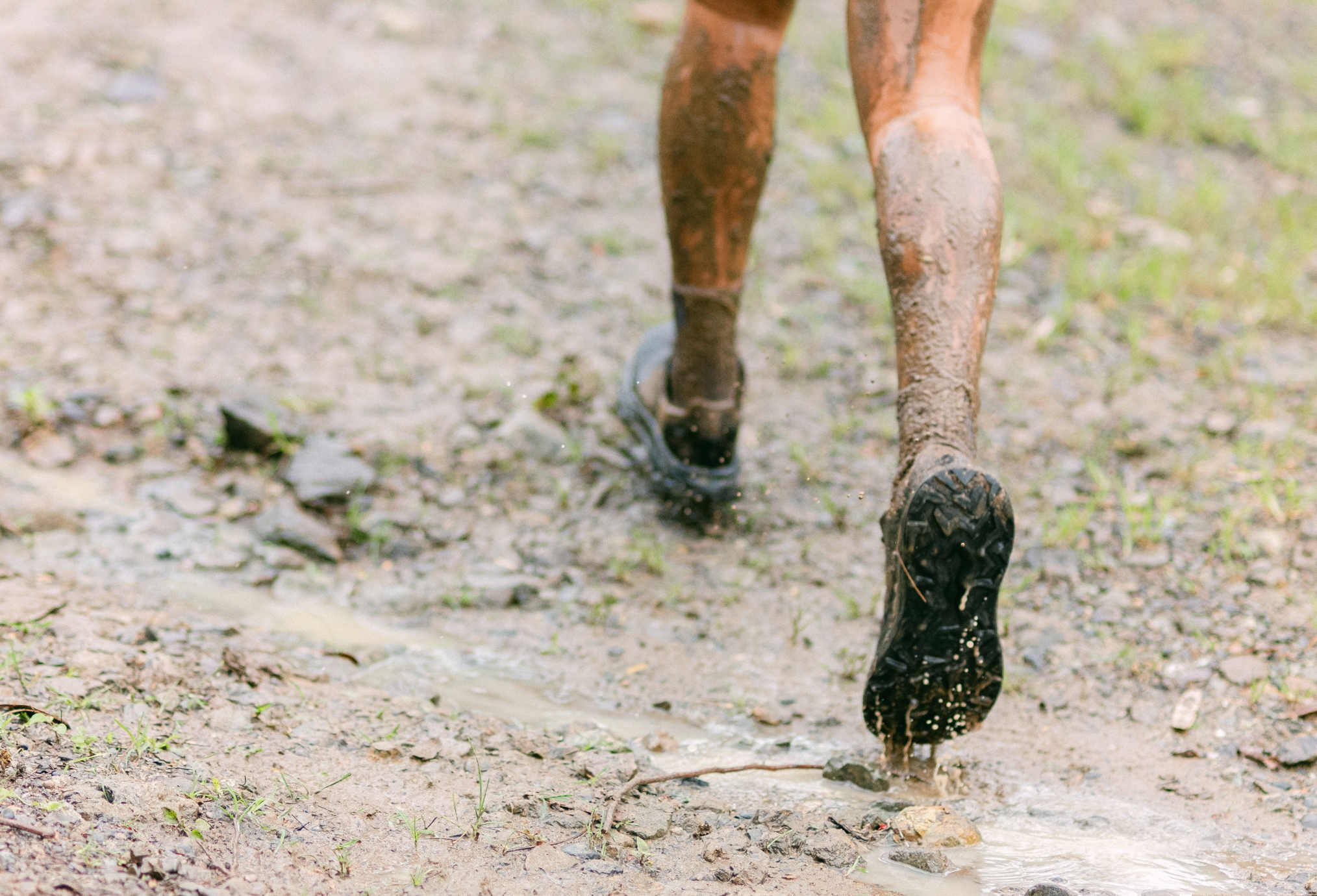
Four hundred miles on smooth dirt trails may put different demands on a shoe than 400 miles on sharp, rocky, technical terrain. Trail shoes take on rocks, roots, mud, gravel, steep climbs, and descents. The same mileage can mean very different wear.
Your own running also matters. Your weight, running style, foot strike, how often you run, and whether you rotate between pairs can all affect how quickly a shoe changes.
Five signs your trail running shoes may be worn out
Mileage is one thing to track. The shoe itself—and how it performs—is just as important. Check these five areas:
- Cushioning: Does the shoe feel noticeably flatter, harder, or less comfortable?
- Traction: Are the lugs worn down? Do you still trust the grip on the terrain you run?
- Stability: Does the shoe still feel stable underfoot?
- Structure: Are the upper, midsole, or outsole breaking down? Check the toe box, eyelets, heel collar, and where the upper meets the midsole.
- How your body feels: Are you getting new hot spots, blisters, aches, or discomfort after runs?
You don’t have to wait until a shoe falls apart. A loss of traction on steep or technical trails may be reason enough to retire a pair, even if the cushioning still feels fine.
When should you replace your trail running shoes?
For many trail runners, 300 to 500 miles is a reasonable range for closer inspection. It isn’t a deadline. A pair with 250 miles may already be worn out; another with 600 miles may still feel comfortable, stable, and grippy.
Start paying closer attention as your shoes approach 300 miles. Inspect the outsole, midsole, and upper, and notice how the shoes perform on your usual routes. Runners may not always feel every mechanical change in cushioning, so don’t rely only on whether a shoe feels different.

Replace your trail running shoes when they no longer do the job you need them to do. If the grip is gone, the shoe feels unstable, the structure is breaking down, or new discomfort appears, the mileage number doesn’t need to reach 500.
The mountain doesn’t care what your watch says. Pay attention to the shoe, your feet, and the trail—and move some mountains.