Teton Oasis Trailrunner Hydration Backpack Review: Is This Affordable Hydration Pack Worth It?

When you're out on the trail, water isn't optional. Neither is having a way to carry it that doesn't make you question every decision that led you to that particular mountain.
Check it out on Amazon (affiliate link): https://link.amazon/B033kl7Eq
Hydration packs can get expensive quickly. Some running vests cost as much as a decent pair of trail-running shoes, and some of those shoes aren't exactly cheap. So when a pack promises water storage, extra gear capacity, adjustable straps, and weather protection without a premium price tag, it's worth taking a closer look.
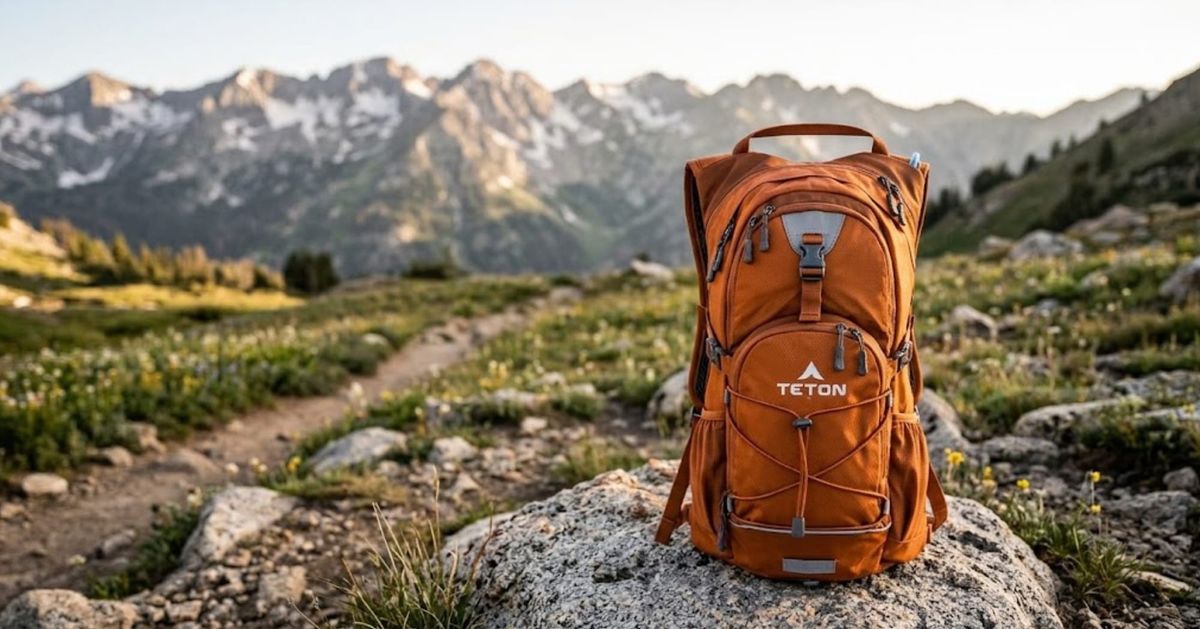
Today, we're looking at the Teton Oasis/Trailrunner Hydration Backpack, a hydration pack designed for outdoor activities, including trail running, hiking, and cycling. Depending on the version, it comes with a 2-liter or 3-liter water bladder and offers additional storage for carrying the essentials.
But is it a good option for trail runners, or is it better suited to hiking?
- Price paid: $51.76
- How many runs or hikes I've used it on: Too many to count
- Comfort and bounce while running: 5 stars
- Bladder filling, cleaning, and drinking experience: 3.5 stars
- What I liked most: size, durability, comfort, quality, color
- What I would change: minor increase is sizing
- Would I buy it again: 100% yes
Let's look at the features, potential advantages, limitations, and the type of runner who might get the most out of this pack.
Teton Oasis Trailrunner Hydration Backpack: At a Glance
The Teton Oasis/Trailrunner range includes different configurations, so it's important to check the exact model before purchasing.
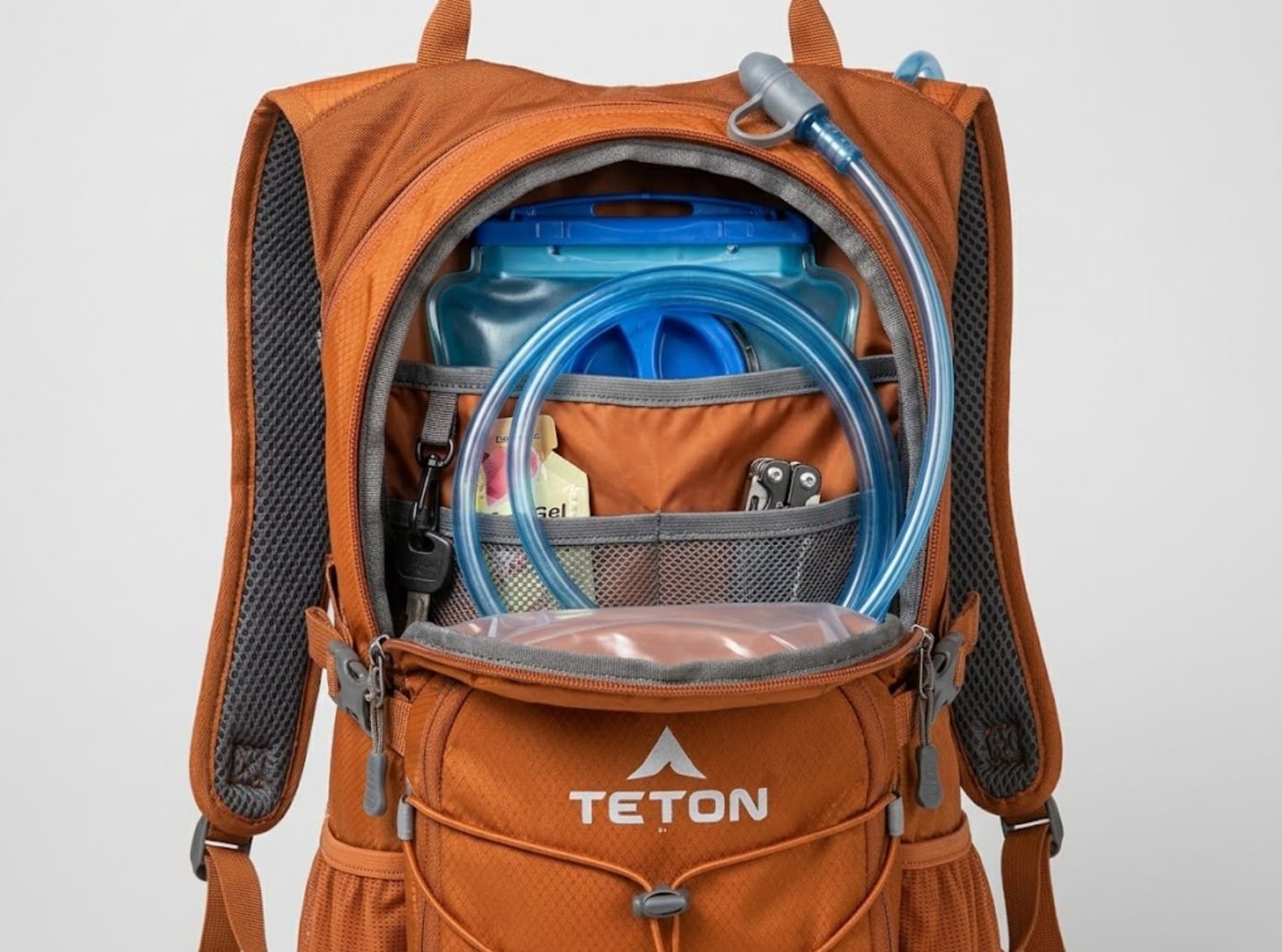
Key features advertised by Teton include:
- Hydration capacity: A 2-liter bladder in the Trailrunner and Oasis 18L configurations, or a 3-liter bladder in the Oasis 22L.
- Additional storage: The Oasis versions offer 18 or 22 liters of pack capacity.
- Adjustable fit: Shoulder, chest, and waist adjustments.
- Comfort features: Padded shoulder straps and breathable mesh.
- Water bladder: A drinking tube with a cushioned bite valve.
- Extra storage options: Pockets and an external bungee system for items such as a jacket.
- Weather protection: A rain cover is included with the Oasis configurations.
- Construction: Durable ripstop fabric.
These features make the range worth considering if you want to carry water and more than just your keys and a snack. However, the larger Oasis packs are considerably different from a minimalist running vest, and that distinction matters when you're deciding what to wear on a trail.
1. Hydration Capacity: Is 2 or 3 Liters Enough?
Water capacity is one of the first things I consider when choosing gear for a trail run.
A 2-liter bladder holds approximately 67 fluid ounces. A 3-liter bladder holds approximately 101 fluid ounces. That's a meaningful difference when you're heading into the mountains, especially in Utah, where exposed trails, climbing, and warm temperatures can make hydration a serious consideration.
The 2-liter configuration may be suitable for shorter outings, depending on the weather, your pace, available water sources, and individual needs.
The 3-liter version offers more capacity for longer adventures, although carrying more water also means carrying more weight. Three liters of water weighs approximately 6.6 pounds before you add the pack and other gear.
That's not exactly nothing when you're already climbing a mountain.
My take: Choose your water capacity based on the length and conditions of your outings, not simply because bigger sounds better. Carry enough water for your route, and don't assume that a larger bladder automatically makes a pack better.
It's also worth checking how easy the bladder is to fill, clean, and dry. A hydration system is only convenient if you're willing to maintain it after every outing.
2. Storage: A Backpack or a Running Vest?
This is where the different Teton configurations become especially important.
The Oasis 18L and 22L are designed to carry considerably more than water. They have room for items such as food, an extra layer, and other hiking essentials.
That can be useful if you're heading out for several hours and want to bring additional gear.
However, more storage isn't necessarily better for trail running.
When I'm considering running gear, I want to know whether it helps me enjoy the trail or simply gives me more things to carry. A larger backpack can be useful for long adventures, but it may be unnecessary for a shorter run where all I need is water, a few snacks, my phone, and an emergency layer.
The key question is how much gear you actually need for the outing.
If you regularly head into the mountains for extended adventures, the extra capacity could be useful. If your typical run is a relatively short loop close to home, you may prefer a smaller, more running-specific option.
Before buying, make sure you're comparing the same configuration. The compact Trailrunner and larger Oasis daypacks serve different purposes, even though they belong to the same product range.
3. Comfort and Fit: The Most Important Part of Any Hydration Pack
A hydration pack can have all the pockets in the world, but none of that matters if it rubs, bounces, or feels uncomfortable after a few miles.
Teton advertises adjustable shoulder, chest, and waist straps, along with padded shoulder straps and breathable mesh.
Adjustability is a useful feature because a pack needs to sit securely against your body. A poor fit can become particularly annoying on uneven terrain, where you're constantly moving, climbing, descending, and occasionally questioning why the trail goes straight up.
For trail runners, though, the real test is how the pack behaves while moving at running speed.
Does it bounce? Does it shift from side to side? Does it rub against your neck or shoulders? Does it remain comfortable as the water level drops?
Those are the questions I would prioritize when evaluating this pack.
It's also worth remembering that a pack can feel comfortable while standing in your living room and behave very differently halfway down a rocky trail. Adjust the straps with the bladder filled, walk around, and test the fit before committing to a long outing.
The bottom line: Adjustable straps are a good starting point, but they don't guarantee a comfortable running experience. Fit has to be tested in motion.
4. The Water Bladder: Convenient Hydration Without Stopping
One of the main advantages of a hydration bladder is being able to drink without stopping to remove a bottle from your pack.
Teton advertises a drinking tube with a cushioned bite valve, along with a wide opening on the bladder included with the Oasis/Trailrunner product listing.
A wide opening can make filling and cleaning easier, while a properly functioning bite valve helps you drink on the move.
Those are useful features, but there are a few practical questions worth considering:
- Is the bladder easy to remove and reinstall?
- Can you clean and dry it thoroughly?
- Does the drinking tube stay in a convenient position?
- Does the valve leak when you're not drinking?
- Is it easy to refill without making a mess?
The last question matters more than it sounds. Anyone who has accidentally sprayed water across the kitchen while dealing with a hydration bladder knows that hydration technology occasionally has a sense of humor.
Before heading out on a long trail run, fill the bladder, check for leaks, and make sure the drinking tube and valve are working properly.
5. Durability and Weather Protection
Outdoor gear has a difficult job. It gets dragged through brush, exposed to dirt, tossed into vehicles, and occasionally introduced to rocks at an uncomfortable speed.
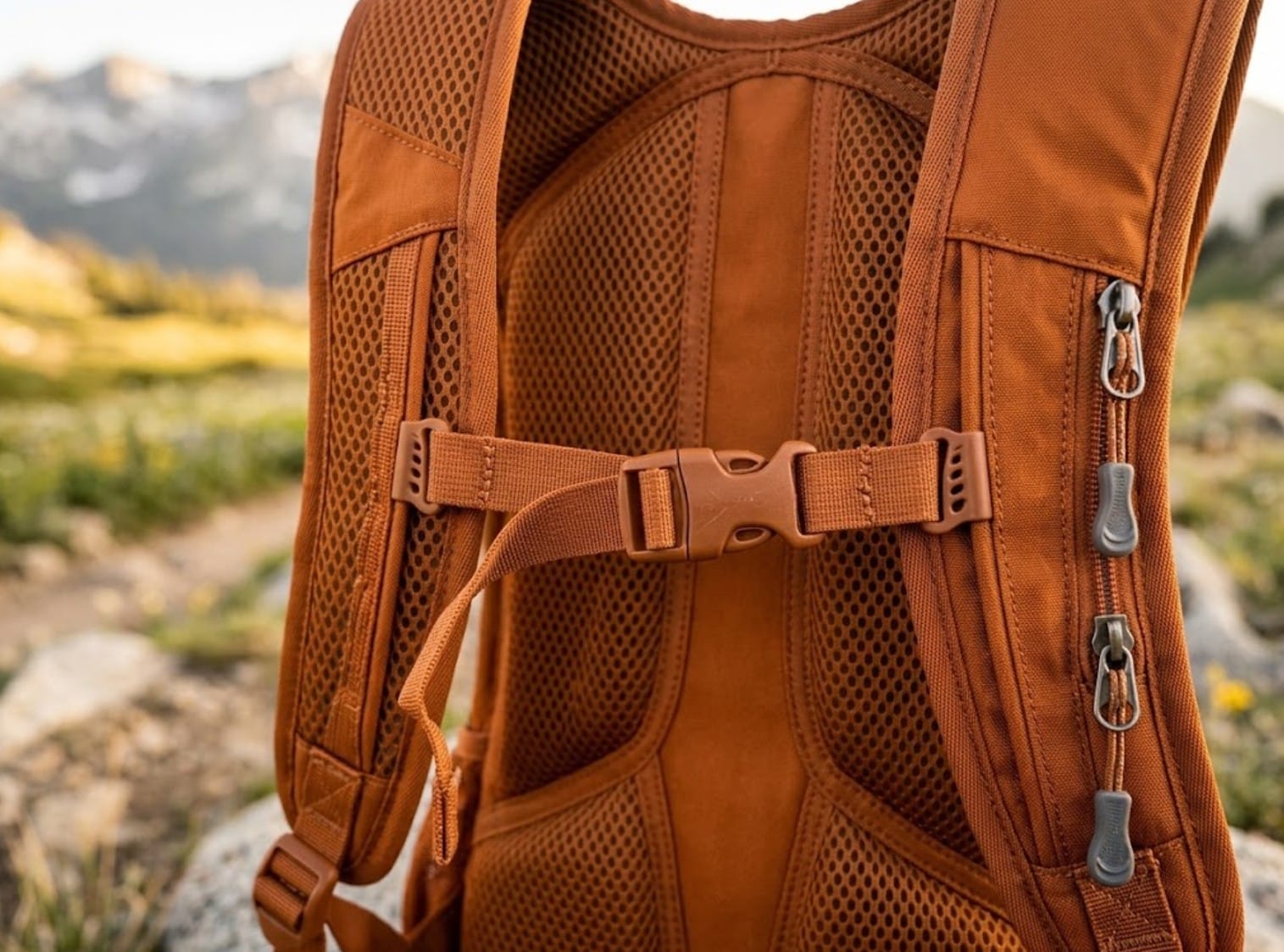
Teton advertises ripstop fabric and weather-protection features across the Oasis range. The Oasis configurations also include a rain cover.
Ripstop construction is a useful feature for outdoor equipment because the fabric is designed to help resist tearing. The rain cover can provide additional protection when the weather changes.
For anyone spending time in Utah's mountains, weather protection can be valuable. Conditions can change, and an unexpected shower is not always interested in your carefully planned itinerary.
Still, a rain cover shouldn't be confused with a fully waterproof pack. If you're carrying electronics, medication, or other items that must stay dry, consider additional waterproof protection.
Durability is also something that can only be judged properly over time. The fabric and construction may look promising, but long-term performance depends on how the pack holds up to repeated use.
6. Is It Lightweight Enough for Trail Running?
The word lightweight appears frequently in outdoor gear descriptions. It's practically a required ingredient in product marketing.
But for runners, the weight of a pack matters.
A pack that carries water, snacks, a jacket, and emergency supplies can be useful on a long mountain outing. However, the more you carry, the more weight you have to move uphill.
Remember that the water itself adds weight. Two liters of water weighs about 4.4 pounds, while three liters weighs about 6.6 pounds. Add the pack, bladder, and other supplies, and your total carried weight increases quickly.
That's not automatically a problem. Carrying enough water and safety equipment is more important than shaving every possible ounce from your setup.
The question is whether the pack's weight and design make sense for your type of running.
For longer outings where you need substantial storage, the extra capacity may justify the additional weight. For faster runs where minimal equipment is the priority, a dedicated running vest may be a better fit.
If you're comparing the Teton with a running vest, compare the actual weight of the exact models you're considering—not just the marketing descriptions.
7. Who Is the Teton Oasis Trailrunner Hydration Backpack Best For?
The right hydration pack depends on what you do outdoors.
It may be worth considering if you:
- Want a hydration system with a bladder included.
- Need more storage than a small running vest provides.
- Enjoy hiking, walking, or cycling as well as running.
- Regularly carry extra clothing, food, or other supplies.
- Prefer having adjustable straps and multiple storage options.
- Want to explore an affordable alternative to more expensive outdoor packs.
You may want to compare other options if you:
- Prefer a minimalist pack designed specifically for running.
- Are particularly sensitive to pack weight.
- Need a close-fitting vest for faster trail runs.
- Want easy access to front-mounted soft flasks or running nutrition.
- Frequently run technical trails where bouncing and shifting are major concerns.
This isn't about one design being universally better than another. It's about matching the equipment to the adventure.
A pack that works well for a day hike might not be the best choice for a fast trail run. Likewise, a minimalist running vest may not have enough room for everything you want to carry on a long mountain outing.
8. What I Would Check Before Buying
Before spending your money, I would check five things.
First, confirm the exact model. The Trailrunner, Oasis 18L, and Oasis 22L are different configurations. Verify the storage capacity and included bladder rather than assuming every version has the same features.
Second, check the actual weight. A pack that looks small in a product photograph can feel different when loaded with water and supplies.
Third, pay attention to the fit. If possible, try it on with the bladder filled. Shoulder comfort, chest-strap placement, and movement matter more than the number of pockets.
Fourth, think about how you plan to use it. A long mountain hike, a short neighborhood run, and a technical trail adventure have different equipment requirements.
Finally, compare the price with alternatives. An affordable pack can be a great value, but only if it does what you need it to do. A lower price isn't much of a bargain if you end up buying another pack because the first one doesn't suit your running style.
Final Verdict: Is the Teton Oasis Trailrunner Hydration Backpack Worth Considering?
The Teton Oasis/Trailrunner range offers several useful features on paper: included hydration bladders, adjustable straps, additional storage, and outdoor-oriented construction.
The larger Oasis configurations may appeal to people who want to carry water and additional gear on hikes or longer adventures. The more compact Trailrunner configuration is worth examining if you want a simpler hydration option.
The biggest consideration is the difference between a general-purpose hydration backpack and a dedicated running vest.
If your priority is carrying plenty of water and extra supplies, the Teton range deserves a closer look. If your priority is a secure, close-fitting pack for running technical trails at speed, I would pay particular attention to fit, bounce, and overall weight before making a decision.
My advice? Buy gear for the trails you actually run, not the imaginary adventure where you somehow need seventeen pockets and a small expedition team.
The best hydration pack is the one that carries what you need, fits comfortably, and lets you focus on the trail instead of constantly adjusting your gear.
Because the whole point is to get outside, move your legs, and enjoy the mountains—not spend the entire run thinking about your backpack.
Rise. Run. Move Mountains. Repeat.