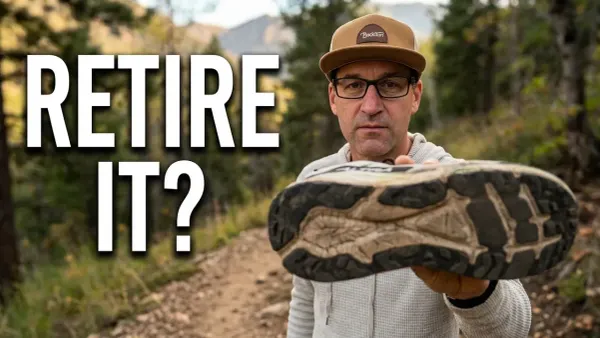
How to Know When Your Trail Running Shoes Are Worn Out

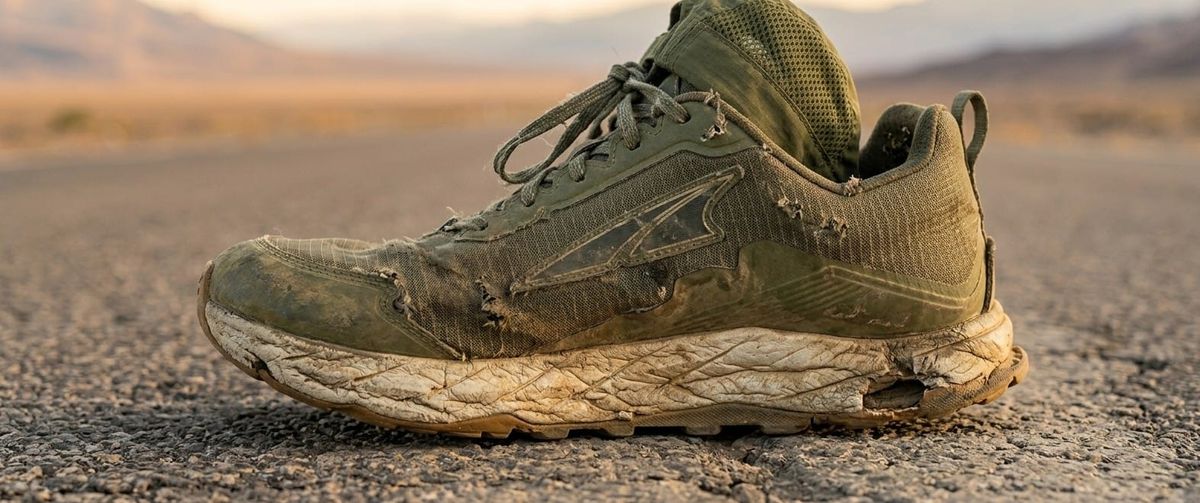
There comes a point in every trail runner's life when a perfectly good pair of running shoes becomes a perfectly good excuse to buy another pair.
The problem? Sometimes those shoes really are worn out. Other times, we're just looking for a reason to justify another purchase.
I've spent years running trails, climbing mountains, and putting running shoes through the kinds of conditions that make you appreciate good traction and reliable cushioning. And if there's one thing I've learned, it's that the number on your GPS watch doesn't tell the whole story about the condition of your shoes.
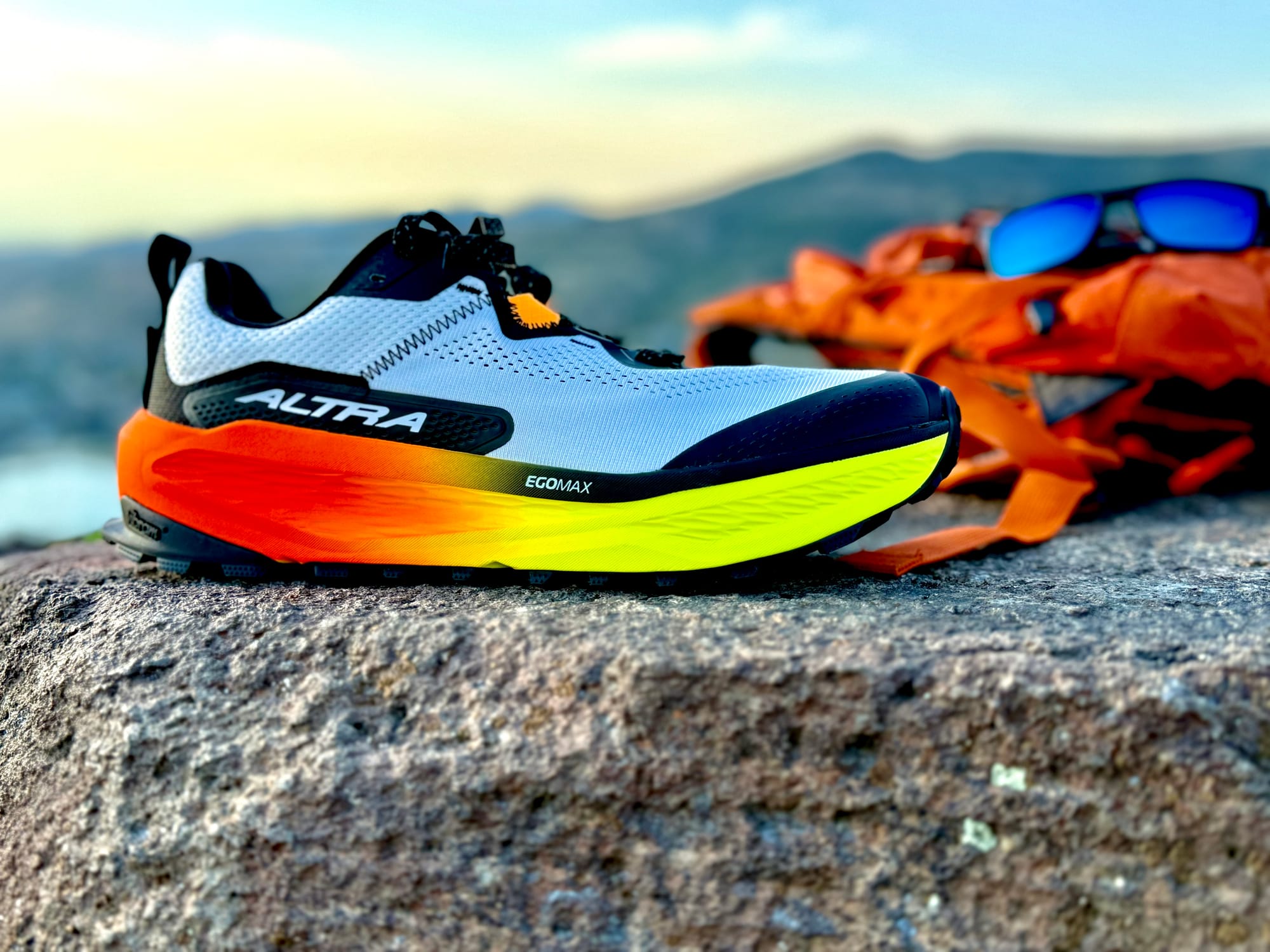
A pair of trail running shoes might look perfectly fine but have lost much of its cushioning. Another pair might look absolutely filthy, with scratches and dirt embedded in every crevice, but still perform beautifully.
So how do you know when your trail running shoes are actually worn out?
Let's look at the warning signs, how to inspect your shoes, how many miles you can reasonably expect from them, and when it's time to retire them from running duty.
How Long Do Trail Running Shoes Last?
Most running shoes have a general lifespan of approximately 300 to 500 miles, although some models may last longer and others may wear out sooner. Trail running shoes are no exception.
However, that mileage range is a guideline, not a guarantee.
Several factors influence how long your shoes will last:
- Terrain: Rocky, abrasive trails can wear down outsole rubber faster than softer dirt paths.
- Running style: Your stride, foot strike, and braking habits influence where your shoes experience the most wear.
- Runner weight and load: The forces placed on the midsole affect how quickly cushioning materials may lose their original feel.
- Shoe construction: Different outsole compounds, midsole foams, rock plates, and upper materials age differently.
- Conditions: Heat, moisture, mud, grit, and repeated exposure to rough terrain can affect different shoe components.
- Care and storage: Leaving shoes in a hot vehicle or storing them damp can shorten their useful life.
Here in Utah, the terrain can be especially demanding. One run might take you along a relatively smooth dirt trail, while the next sends you scrambling across sharp rocks, loose gravel, and uneven mountain paths.
Those conditions can be tough on shoes.
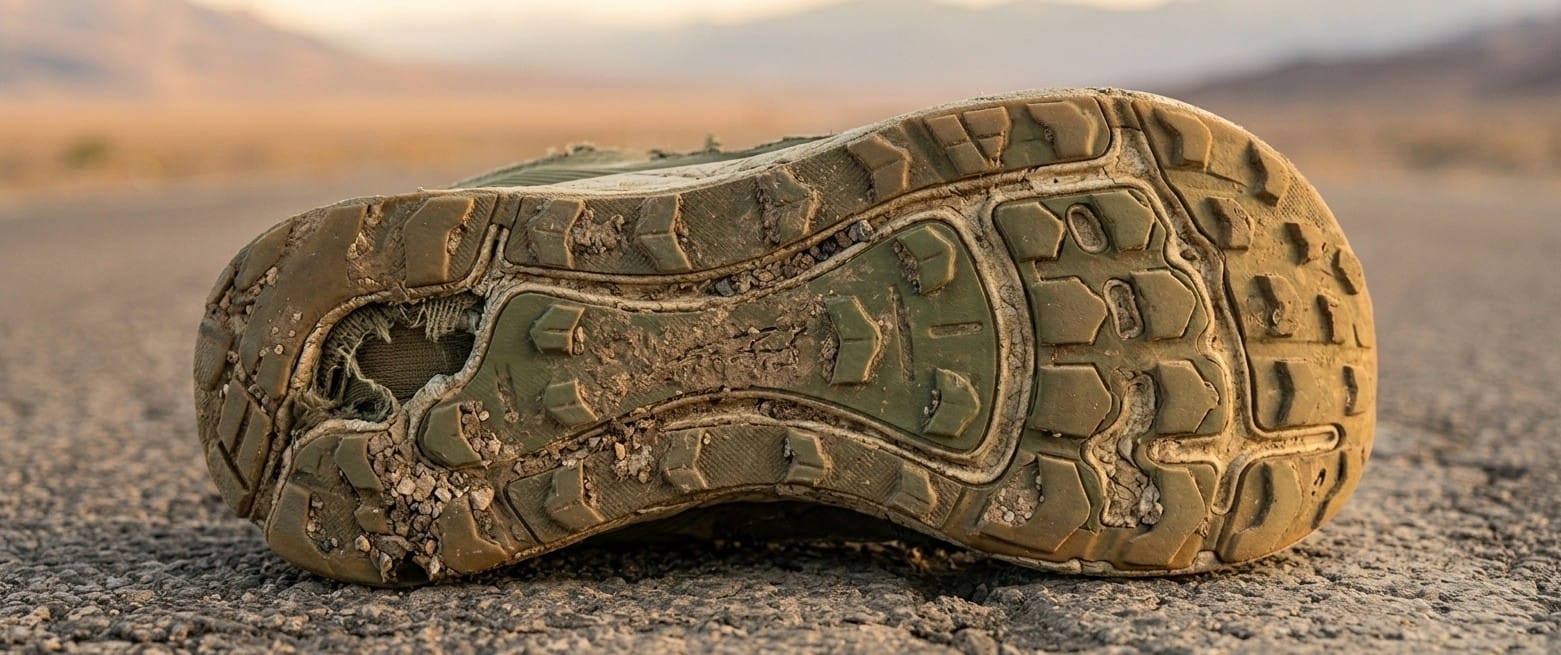
A shoe that lasts 450 miles on smooth trails might not perform as well after the same mileage on rocky, technical terrain. Conversely, a well-built shoe used primarily on forgiving surfaces might continue performing beyond the usual mileage guideline.
The bottom line: Don't automatically replace your shoes at 300 miles, and don't assume they're good until 500 miles. Pay attention to how they look, how they feel, and how they perform.
7 Signs Your Trail Running Shoes Are Worn Out
You don't need a laboratory or an engineering degree to evaluate your running shoes. A few minutes of inspection can reveal a lot.
1. The Outsole Tread Is Worn Down
The outsole is the rubber portion on the bottom of your shoe. On trail running shoes, it often includes raised lugs designed to provide traction on dirt, mud, rocks, and other uneven surfaces.
Over time, those lugs wear down.
Look for these warning signs:
- Lugs that have become noticeably shorter or rounded.
- Areas where the rubber has worn almost completely smooth.
- Missing, torn, or partially detached lugs.
- Uneven wear between the heel and forefoot.
- Reduced grip on surfaces where the shoe previously performed well.
Worn tread doesn't necessarily mean your shoes are finished. The amount of wear that matters depends on the outsole design and the terrain you run.
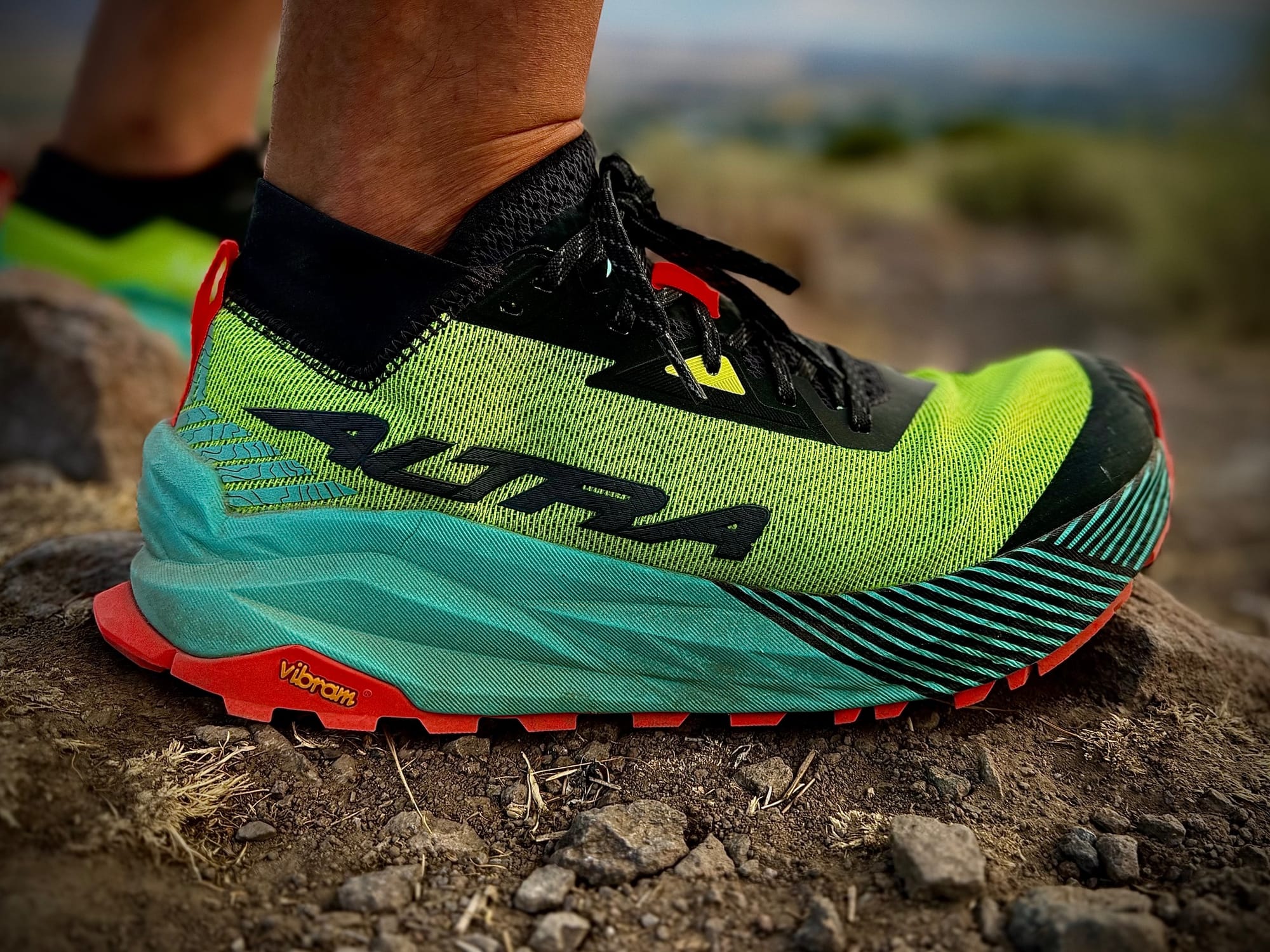
For example, a shoe designed for hard-packed trails may have relatively shallow lugs from the beginning. A shoe built for mud may have much deeper lugs that remain useful even after some wear.
What matters most is whether the remaining tread still provides the traction you need.
If your shoes begin slipping on familiar trails, particularly on descents or loose terrain, it's worth taking a closer look.
Traction becomes especially important on steep Utah trails, where loose rock and steep grades can make a minor loss of grip much more noticeable.
And if the outsole rubber is separating from the midsole, or major sections of tread are coming off, don't assume the shoe is safe simply because it still has plenty of cushioning.
2. The Cushioning Feels Dead
This is one of the harder problems to identify because the midsole can wear out without looking particularly damaged.
The midsole is the material between your foot and the outsole. It contributes to cushioning, stability, and the overall feel of the shoe.

Depending on the design, it may contain foam materials that gradually change with repeated loading.
Signs that your cushioning may have deteriorated include:
- The shoe feels noticeably firmer or flatter than it used to.
- The ride feels less responsive or comfortable.
- You notice new pressure points during runs.
- The midsole looks visibly compressed or uneven.
- The shoe feels different from a newer pair of the same model, assuming the fit and conditions are comparable.
One important distinction: a firm shoe isn't automatically a worn-out shoe.
Some trail shoes are designed to feel firm and protective from the beginning. Others are soft and cushioned when new.
You're looking for a meaningful change from the shoe's original characteristics, not a particular level of softness.
Here's a practical test: If you've been running in the same pair for months, pay attention to how they feel during a familiar run. If the ride has changed substantially, inspect the midsole and outsole for other signs of wear.

You can also compare them with a newer pair of the same model, if you have one. Just remember that even identical models can feel different because of manufacturing variations, temperature, and changes between versions.
And don't blame every sore muscle or uncomfortable run on your shoes. Training load, terrain, fatigue, and recovery can all influence how your legs feel.
3. The Midsole Shows Visible Damage
Take a look at the sides and bottom of your shoes.
Some creasing in foam midsoles is normal. Many shoes develop visible lines and wrinkles after relatively little use, and those marks alone don't mean the shoes are finished.
What deserves closer attention is significant deformation or damage.
Look for:
- Deep, uneven compression in the foam.
- One side of the midsole appearing substantially more compressed than the other.
- Cracks that extend through the material.
- Sections of foam breaking apart.
- Separation between the midsole and outsole.
If the shoe has become visibly distorted or unstable, it may no longer provide the ride or support you expect.

This matters on technical trails, where the shoe needs to work with your foot on uneven surfaces. A compromised shoe can make an already challenging trail feel less predictable.
Don't confuse cosmetic scratches with structural damage, though. Trail running shoes are meant to get dirty, scratched, and occasionally beaten up.
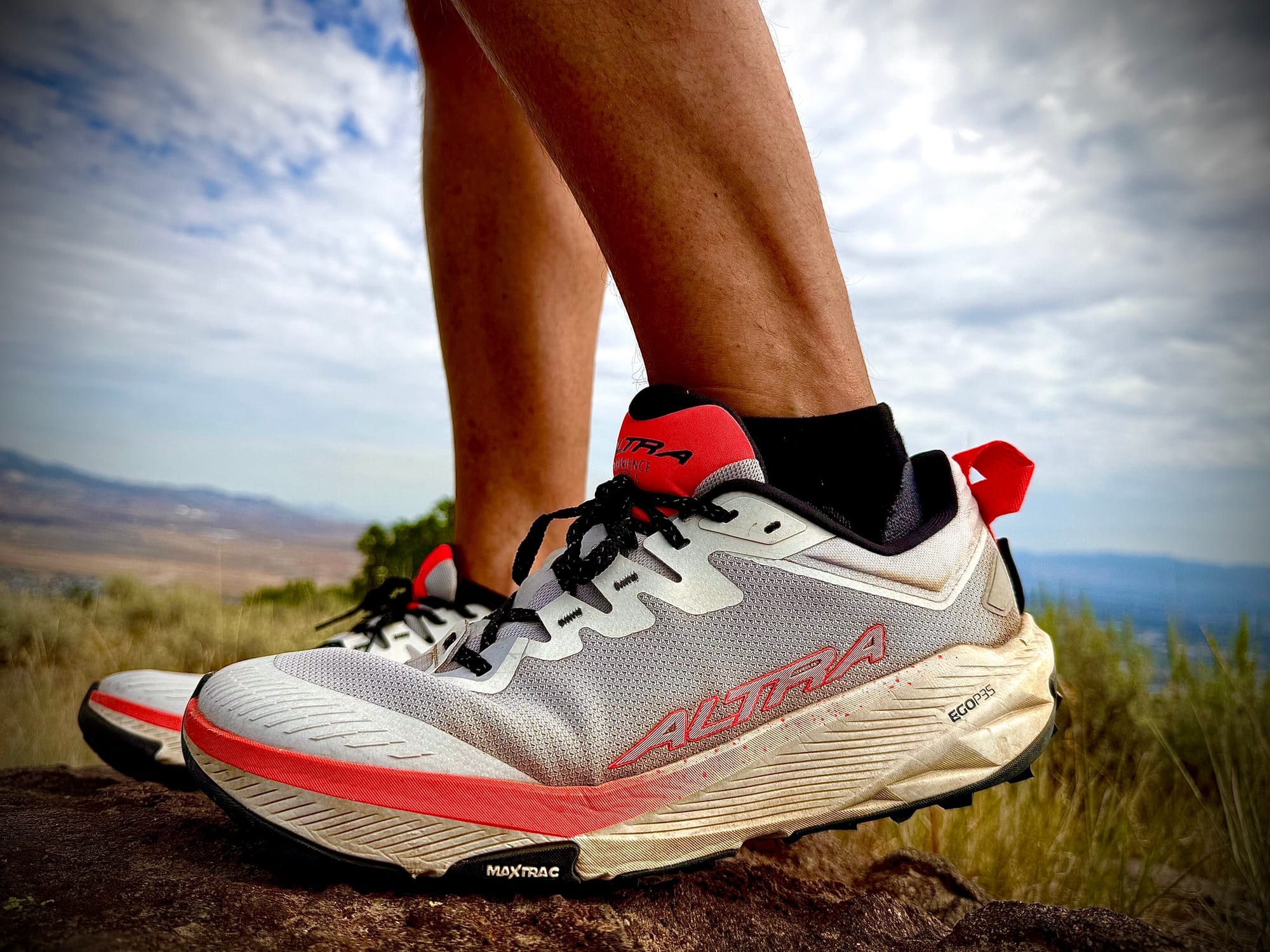
A few battle scars are part of the experience.
A shoe that's coming apart is another story.
4. The Upper Is Damaged or No Longer Holds Your Foot Securely
The upper is the part of the shoe that wraps around your foot.
It helps keep your foot positioned over the midsole and outsole, especially when you're moving across uneven ground.
Inspect the following areas:
- Mesh panels that are tearing or developing holes.
- Seams that are separating.
- Frayed or broken lace loops.
- A damaged heel counter.
- Loose overlays or protective toe caps.
- Laces that no longer secure the shoe properly.
Small holes in the mesh don't necessarily mean a shoe is finished. Depending on their location, they may be primarily cosmetic.
However, damage becomes more concerning when your foot moves excessively inside the shoe, the heel slips, or the upper can no longer maintain a secure fit.
That movement can be particularly annoying on steep descents, when your feet naturally shift forward and sideways.
A damaged toe bumper might be manageable on a smooth dirt path but more problematic when you're navigating rocky terrain.
Also, remember that shoes can feel loose because the upper has stretched or the lacing has changed, not just because the midsole has worn out.
Try adjusting the lacing and checking your fit before retiring a shoe for that reason alone.
If the shoe can no longer hold your foot securely despite reasonable adjustments, it's probably time to replace it.
5. Your Shoes Have Lost Their Grip
This sign deserves its own section because outsole wear and real-world traction aren't always the same thing.
You can have shoes with visible tread that still struggle to grip certain surfaces. You can also have shoes with some worn lugs that continue performing well on the terrain they're designed for.
Traction depends on several factors:
- Rubber compound.
- Lug depth and shape.
- Lug spacing.
- Surface conditions.
- The type of rock, soil, or mud underfoot.
A shoe designed for dry, rocky trails may not perform particularly well in deep mud, even when brand new. Likewise, a mud-oriented shoe may not be ideal on hard-packed surfaces.
Before deciding your shoes are worn out, consider whether the terrain or conditions have changed.
But if the same shoes consistently slip more than they used to on familiar surfaces, worn rubber or damaged lugs may be the reason.
Pay particular attention to downhill performance. Descents put different demands on traction because you're braking and controlling forward momentum while navigating uneven ground.
On steep or exposed terrain, don't wait for a dramatic failure to convince you that traction matters.
If the shoes no longer provide reliable grip for the conditions, retire them from that type of running.
6. The Fit Has Changed
Shoes can lose their original fit as the upper stretches, the heel structure softens, or components begin to break down.
You might notice:
- Your heel slipping more than it used to.
- Your foot sliding sideways on uneven ground.
- Your toes hitting the front of the shoe on descents.
- New rubbing or blistering.
- A feeling that your foot isn't securely positioned over the platform.
Some of these issues can be caused by changes in your feet, socks, lacing, or running conditions rather than shoe wear.
Start by checking the basics.
Are the laces secure? Are you wearing the same socks? Has the shoe's upper stretched? Is the shoe still the correct size and shape for your foot?
If you're experiencing toe impact on descents, make sure the shoe has adequate length and that your heel is properly secured. A heel-lock lacing technique can sometimes help reduce heel movement.
However, no lacing trick can restore a broken heel counter or a severely stretched upper.
If your shoes no longer fit securely, especially on technical terrain, replacing them is the sensible choice.
7. You Notice a Consistent Change in How the Shoes Perform
Sometimes the most useful warning sign isn't something you can see.
It's a change in performance.
Perhaps the shoes feel less predictable on rocky sections. Maybe the cushioning feels different, the outsole no longer grips the same way, or the upper doesn't hold your foot as securely.
These observations matter most when you compare them with how the shoes performed when they were relatively new.
Try not to make the decision based on one uncomfortable run. Fatigue, training intensity, temperature, and trail conditions can all affect your experience.
Instead, look for a consistent pattern.
If your shoes feel noticeably different across several familiar runs and you can identify visible wear or damage, the case for replacing them becomes stronger.
If everything looks fine but your feet or legs feel different, consider other factors as well. Changes in mileage, speed, terrain, recovery, and strength can all contribute to discomfort.
New or persistent pain shouldn't automatically be attributed to worn-out shoes.
How to Inspect Your Trail Running Shoes in Five Minutes
You don't need to overcomplicate this. Once every few weeks, or after a particularly rough run, take a few minutes to inspect your shoes.
Here's a simple routine.
Step 1: Check the outsole.
Look for missing lugs, smooth patches, uneven wear, and separation between the rubber and midsole.
Step 2: Inspect the midsole.
Look for unusual compression, significant deformation, cracks, or sections that are breaking apart.
Step 3: Examine the upper.
Check the mesh, stitching, toe bumper, heel structure, and lace loops.
Step 4: Compare the shoes.
Set them on a flat surface and look for obvious differences in shape or height. Check whether one shoe appears more compressed or distorted than the other.
Step 5: Think about how they feel on the trail.
Have you noticed reduced grip, a changed ride, or a loss of secure fit? Does that change persist across familiar runs?
Don't rely on one observation alone. A combination of structural damage, worn traction, and changes in performance gives you a much clearer picture.
Do Trail Running Shoes Wear Out Faster Than Road Running Shoes?
Not necessarily.
Trail running shoes are designed for different conditions, and their durability depends heavily on their construction and how they're used.
Trail shoes often have more aggressive outsoles, protective toe bumpers, and other features designed for uneven terrain. These features can be helpful on trails, but they don't make every trail shoe more durable than every road shoe.
A trail shoe used on sharp, rocky terrain may experience significant outsole abrasion. A shoe used mostly on smooth dirt paths may show much less wear.
Road shoes can also wear quickly, particularly if their outsole rubber is relatively exposed or they're used on abrasive pavement.
The more useful question isn't whether trail shoes or road shoes last longer.
It's whether your particular shoes are still performing well in the conditions for which they're intended.
For Utah runners, the difference between a smooth canyon trail and a rocky mountain route can be substantial. Two pairs of shoes from the same brand may age very differently depending on where you take them.
Can You Keep Running in Worn-Out Trail Shoes?
Sometimes, yes. But it depends on what has worn out.
If the shoes have cosmetic scuffs, dirty mesh, or some tread wear while still offering suitable traction, a secure fit, and a comfortable ride, there may be no reason to replace them immediately.
If the outsole has lost critical traction, the upper no longer holds your foot securely, or structural damage has developed, continuing to run in them becomes harder to justify.
Think about the terrain, too.
A shoe with worn tread might still be useful for walking or easy runs on smooth, dry paths. That doesn't mean it's appropriate for steep, loose, or technical trails.
You can also give older shoes a second life for less demanding activities, provided they're still structurally sound and comfortable.
They might become your walking shoes, gardening shoes, or the pair you wear when you don't want to get your newer shoes dirty.
Every shoe deserves a retirement plan.
It doesn't necessarily have to involve a ceremonial burial in the trash can.
How to Make Your Trail Running Shoes Last Longer
You can't prevent normal wear, but you can take a few practical steps to get the most out of your shoes.
Rotate Your Shoes
If you run frequently, rotating between two pairs can be useful.
It gives each pair time to dry and allows you to use different shoes for different conditions. For example, you might reserve a more aggressive shoe for muddy or technical trails and use another pair for smoother routes.
Rotation doesn't magically double the lifespan of your shoes. Both pairs will still accumulate wear.
It can, however, help you match your footwear to the terrain and monitor changes in each pair.
Clean Off Dirt and Grit
After muddy runs, remove excess dirt and rinse your shoes when necessary.
Use a soft brush and mild soap if needed. Avoid harsh cleaning products that may damage materials.
You don't need to scrub your shoes after every run, especially if they're just dusty. The goal is to prevent excessive buildup and inspect the shoes for damage.
Let Your Shoes Dry Properly
Remove the insoles if appropriate and allow your shoes to air-dry in a well-ventilated area.
Avoid placing them directly against a heater or exposing them to excessive heat. High temperatures can damage adhesives and other materials.
And if you're tempted to leave them baking in your vehicle all summer, remember that Utah summers are perfectly capable of turning a parked car into an oven.
Your shoes don't need the extra heat treatment.
Use the Right Shoe for the Terrain
Aggressive lugs are useful in certain conditions, but not every trail requires them.
Choose shoes appropriate for your typical terrain. A shoe designed for technical mountain routes may be more than you need for smooth, hard-packed paths.
Using the right shoe can improve your experience and may reduce unnecessary wear associated with using a design outside its intended purpose.
Track Your Mileage
Keep a simple record of how many miles you put on each pair.
You can use a running app, spreadsheet, or even a note on your phone.
Mileage tracking helps you know when a pair deserves a closer inspection. It doesn't tell you exactly when the shoes are finished.
If you have several pairs in rotation, tracking mileage also prevents you from underestimating how much use a shoe has received.
Should You Replace Trail Running Shoes Based on Mileage or Condition?
Condition should be the deciding factor; mileage should be your reminder to inspect.
A mileage log is useful because shoe wear can happen gradually. You may not notice a change in cushioning or traction when it develops slowly over several months.
But replacing shoes automatically at a fixed mileage can waste perfectly usable footwear.
On the other hand, continuing to run in a damaged shoe just because it hasn't reached 300 miles makes little sense.
Here's a simple decision guide:
| Shoe condition | What to do |
|---|---|
| Minor cosmetic wear, secure fit, reliable traction | Continue using and monitor |
| Some tread wear, but grip remains suitable | Continue with attention to terrain |
| Cushioning feels noticeably different | Inspect closely and compare with earlier performance |
| Upper damage affects fit or security | Consider replacing |
| Major outsole separation or structural damage | Retire from running |
| Traction is unreliable on your usual terrain | Replace or restrict use to suitable conditions |
You don't need to replace a shoe because it looks old. You need to replace it when it no longer does its job reliably.
Frequently Asked Questions About Worn-Out Trail Running Shoes
How many miles should trail running shoes last?
Many running shoes last approximately 300 to 500 miles, but actual lifespan varies by model, terrain, runner, and conditions. Inspect your shoes regularly rather than treating a specific mileage number as a replacement deadline.
How do I know if my running shoe cushioning is worn out?
Look for a noticeable change in how the shoe feels, visible midsole compression, or uneven deformation. Compare its current ride with your experience when it was newer. Remember that discomfort can have causes unrelated to footwear.
Can trail running shoes look fine but still be worn out?
Yes. The midsole may lose some of its original characteristics without obvious external damage. That's why it's important to pay attention to both appearance and performance.
Is it safe to run in trail shoes with worn tread?
It depends on how much tread remains and the terrain. Some wear is normal, but shoes that no longer provide adequate traction on your intended routes should not be used for those conditions.
Do expensive trail running shoes last longer?
Not necessarily. Price alone doesn't determine durability. Outsole rubber, midsole materials, upper construction, terrain, and usage all affect lifespan. A more expensive shoe may offer features you value without necessarily lasting longer than a less expensive model.
Should I replace my trail running shoes if they cause knee pain?
Not automatically. Worn or unsuitable footwear may contribute to discomfort, but knee pain can have many causes, including changes in training load and running mechanics. Inspect your shoes, consider recent training changes, and seek appropriate medical advice if pain persists or worsens.
Can I use old trail running shoes for walking?
Often, yes, if they're still comfortable and structurally sound. However, shoes with severely worn tread, loose components, or unstable midsoles may also be unsuitable for walking, especially on uneven surfaces.
How often should I inspect my trail running shoes?
A quick inspection every few weeks is a reasonable habit for regular runners. Check them more frequently if you run on abrasive, rocky terrain or notice changes in traction, fit, or comfort.
Final Thoughts: Know When It's Time to Move On
Trail running shoes are tools. They're designed to help you move across dirt, rock, gravel, and whatever else the trail decides to throw at you.
Like every piece of running gear, they eventually wear out.
The trick is recognizing the difference between a shoe that's simply dirty and one that's no longer performing as it should.
Check the tread. Inspect the midsole. Look at the upper. Pay attention to traction and fit. Keep track of mileage, but don't let the number make the decision for you.
And remember that a worn-looking shoe isn't necessarily a worn-out shoe.
I've always believed that the best running gear is the gear that works for you. You don't need the newest model every season, and you certainly don't need to replace shoes just because a manufacturer has released another version with a slightly different foam compound and a marketing department full of enthusiasm.
When your shoes are still doing their job, keep running in them.
When they're no longer providing the traction, fit, or performance you need, it's time to move on.
There are plenty of miles left to run, plenty of mountains to climb, and plenty of trails waiting to be explored.
Make sure your shoes are ready for the adventure.
Rise. Run. Move Mountains. Repeat.