10 Things I Wish I Knew Before I Started Trail Running

Trail running looks simple from the outside. You put on your shoes, find a trail, and start running. How different can it be from running on the road?
As it turns out, pretty different.
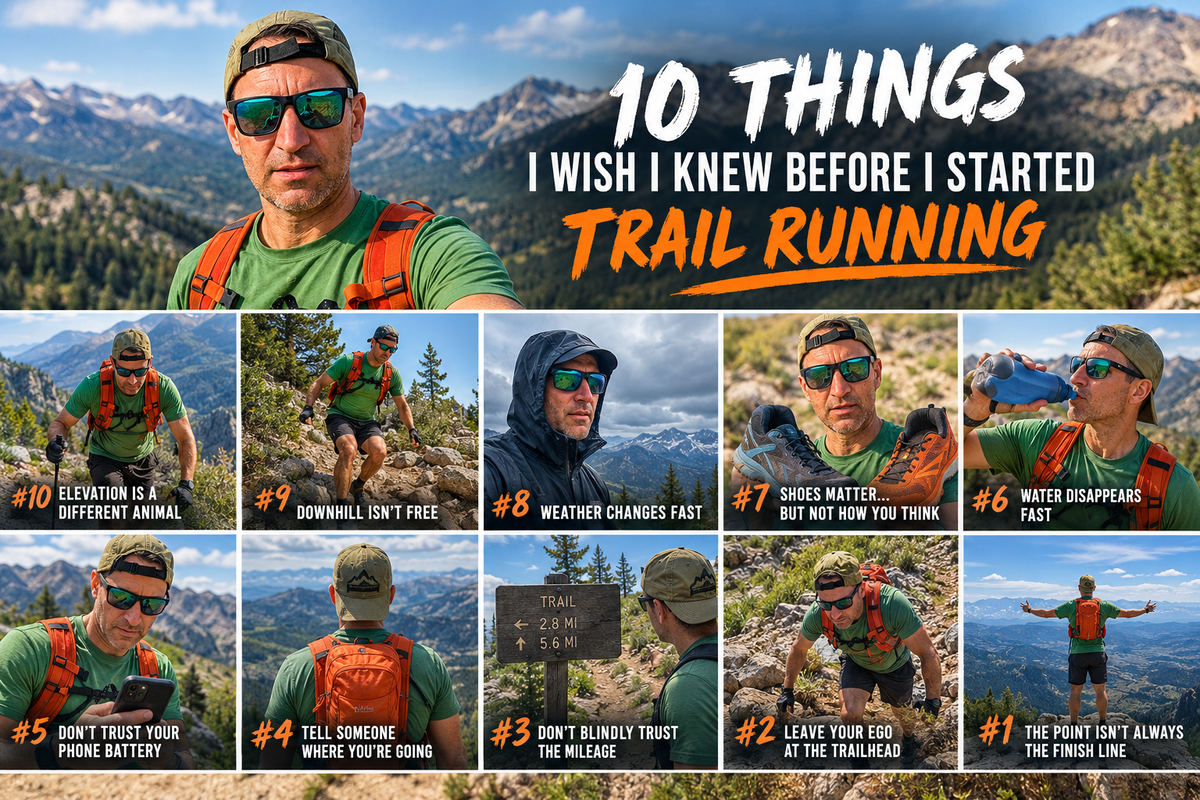
After thousands of miles, some brutal climbs, questionable decisions, and plenty of moments wondering why I thought running up a mountain was a good idea, I've learned a few things that every new trail runner should know.
Whether you're considering your first trail run or transitioning from road running, these 10 lessons can help you prepare, avoid common mistakes, and get more enjoyment out of your time on the trails.
1. Don't underestimate elevation
On the road, six miles is generally six miles. On a trail, six miles can mean almost anything.
You might have six relatively easy miles, or six miles with 2,000 feet of climbing that makes you question every decision that led you to the trailhead.
When planning a trail run, don't look at mileage alone. Check the total elevation gain, terrain, and steepness of the route.
And remember: walking isn't failing.
Power hiking steep sections can help you conserve energy and keep moving efficiently. Sometimes the smartest way to run a trail is to know when not to run.
2. Downhill running isn't free

Most beginners expect the uphill to be the hardest part. Then they reach the summit and discover that getting back down comes with its own challenges.
Descending puts repeated stress on your quads and requires balance, coordination, and constant attention to rocks, roots, and uneven ground.
Learn to descend with shorter, controlled steps. Watch the terrain and resist the temptation to sprint downhill just because you're tired of climbing.
Gravity might be doing some of the work, but your legs will pay the bill later.
3. Mountain weather can change quickly

You can leave the trailhead under blue skies and comfortable temperatures, only to encounter strong winds, rain, or even snow higher up.
Mountain weather can change quickly, and conditions at elevation may be very different from those in town.
Before heading out:
- Check the forecast for the area and elevation you'll be running.
- Carry appropriate layers for the conditions.
- Consider how the weather might change during a longer run.
- Be prepared to turn around if conditions become unsafe.
Don't plan your run based only on the weather when you leave your car. Think about what conditions might be like several hours later and farther up the mountain.
4. Shoes matter, but expensive doesn't always mean better

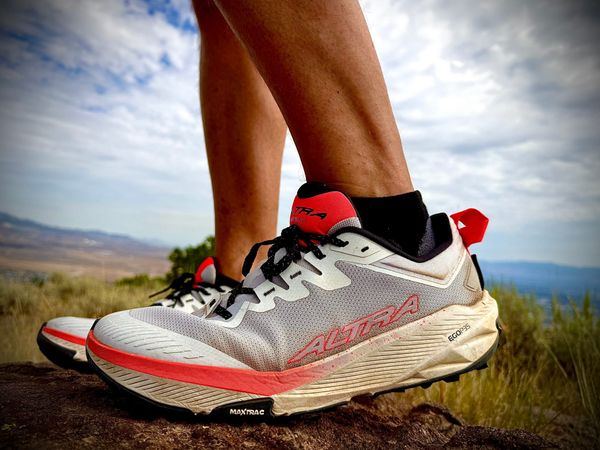
If you've spent any time researching trail running shoes, you've probably noticed that prices can range from around $20 to $200 or more.
But do you really need to spend that much?
Not necessarily.
The right shoe depends on your feet, the terrain, the distance, and your personal preferences. Traction, cushioning, fit, durability, and stability can all influence your experience.
A more expensive shoe isn't automatically the right shoe for you.
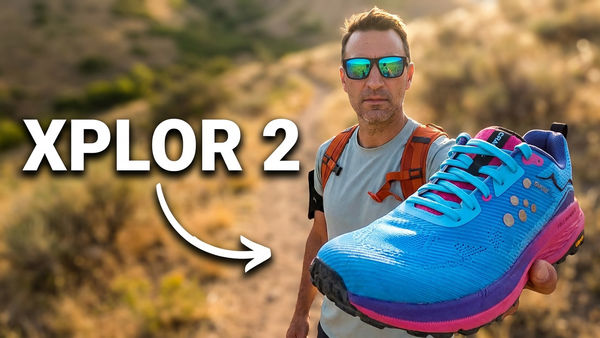
I even put this to the test in my own $20 vs. $200 trail running shoe comparison, putting more than 100 miles on each pair.
The lesson? Focus on what a shoe actually delivers, rather than assuming the price tag tells the whole story.
5. Water disappears faster than you think

You start your run thinking you've packed plenty of water. A few miles later, you're checking your bottle like it's your bank account after a shopping spree.
Heat, climbing, distance, and your individual hydration needs can all affect how much water you need.
When planning a run, consider more than just the mileage. Ask yourself what happens if the run takes twice as long as expected.
You could take a wrong turn, encounter difficult terrain, or need to slow down because you're exhausted.
Plan your water supply accordingly, and if you're using a refill point or natural water source, know whether it's reliable and whether you'll need a suitable treatment method.
That extra water can become pretty valuable when your easy three-hour adventure turns into a much longer day.
6. Your phone battery isn't a safety plan

Your phone is useful for navigation, GPS tracking, photos, and emergency calls. But relying on it as your only safety measure can be a mistake.
GPS use, video recording, music, cold temperatures, and poor reception can all contribute to battery drain.
Imagine looking down six miles into a remote run and seeing 12% battery remaining.
Suddenly, taking another photo doesn't seem so important.
Before leaving:
- Download maps for offline use when available.
- Know your route before you start.
- Conserve battery when needed.
- Carry a backup battery for longer outings.
- Consider an appropriate emergency communication device for remote routes without reliable cell coverage.
Technology is helpful, but preparation matters more than assuming your phone will always work.
7. Tell someone where you're going

This isn't the most exciting trail running tip, but it's one of the most important.
If you're running alone, especially somewhere remote, tell someone your planned route and when you expect to return.
Give them enough information to understand where you'll be and when to check in if they haven't heard from you.
Consider leaving your itinerary with someone you trust and updating them if your plans change.
When everything goes right, this might seem unnecessary. But if something goes wrong, someone knowing where to start looking can make a meaningful difference.
Running alone can be one of the best parts of trail running. Just make sure you prepare for the unexpected.
8. Don't blindly trust the mileage

A trail sign might say six miles. Your GPS might say seven. Someone else's watch might say 7.4.
And somehow, you've been running for approximately three years.
Trail signs and GPS measurements aren't always exact. Routes can also feel much harder than expected because of steep climbs, technical terrain, and difficult footing.
When planning your run, consider the full picture:
- Total distance
- Elevation gain and loss
- Trail conditions
- Expected pace
- Weather and daylight
A mile on smooth dirt is very different from a mile of rocks, roots, and steep climbing.
And remember: "It's only one more mile" sounds a lot less convincing when you've already been out there for four hours.
9. Leave your ego at the trailhead

When you're new to trail running, it's easy to compare yourself with other runners.
Someone passes you on a climb, and suddenly you decide you can keep up with them.
Twenty minutes later, you're questioning your life choices.
Trail running isn't about winning every mile or proving you can run every hill.
Sometimes you need to slow down. Sometimes you need to hike. And sometimes you need to let someone faster pass you without turning it into a personal challenge.
Learn to manage your effort, especially on longer runs.
The goal isn't to impress the mountain. The mountain doesn't care.
The goal is to enjoy the experience, challenge yourself appropriately, and make it back safely.
Your ego can wait.
10. The point isn't always the finish line
When I first started running, I was focused on the numbers.
How far did I go? How fast did I run? How much elevation did I gain? What was my pace?
Those things are fun, and I still care about them. But over time, trail running became about something bigger.
It's about reaching a mountain summit and realizing how small you are in the grand scheme of things.
It's seeing a sunrise you would have missed if you stayed home.
It's pushing through a climb you weren't sure you could finish and discovering that you're capable of more than you thought.
For me, there's also something spiritual about being outdoors, surrounded by God's creation, away from the noise and distractions of everyday life.
Sometimes you don't need another podcast or notification.
Sometimes you just need a trail.
And a little time to appreciate where it takes you.
Final thoughts
Trail running has taught me something almost every time I head out. Sometimes those lessons are useful. Sometimes they're painful. And sometimes they make you say, "Well, I'm never doing that again."
Until next Saturday.
If you're new to trail running, I hope these lessons help you avoid a few mistakes and enjoy your adventures more safely.
And if you've been running trails for years, you probably have a few lessons of your own.
What's one thing you wish you knew before you started trail running? Share it in the comments. Your experience might help someone else get started.
Keep pounding that pavement, blazing trails, and moving mountains.
— Dan Smith | Dan Running